Retail NNN
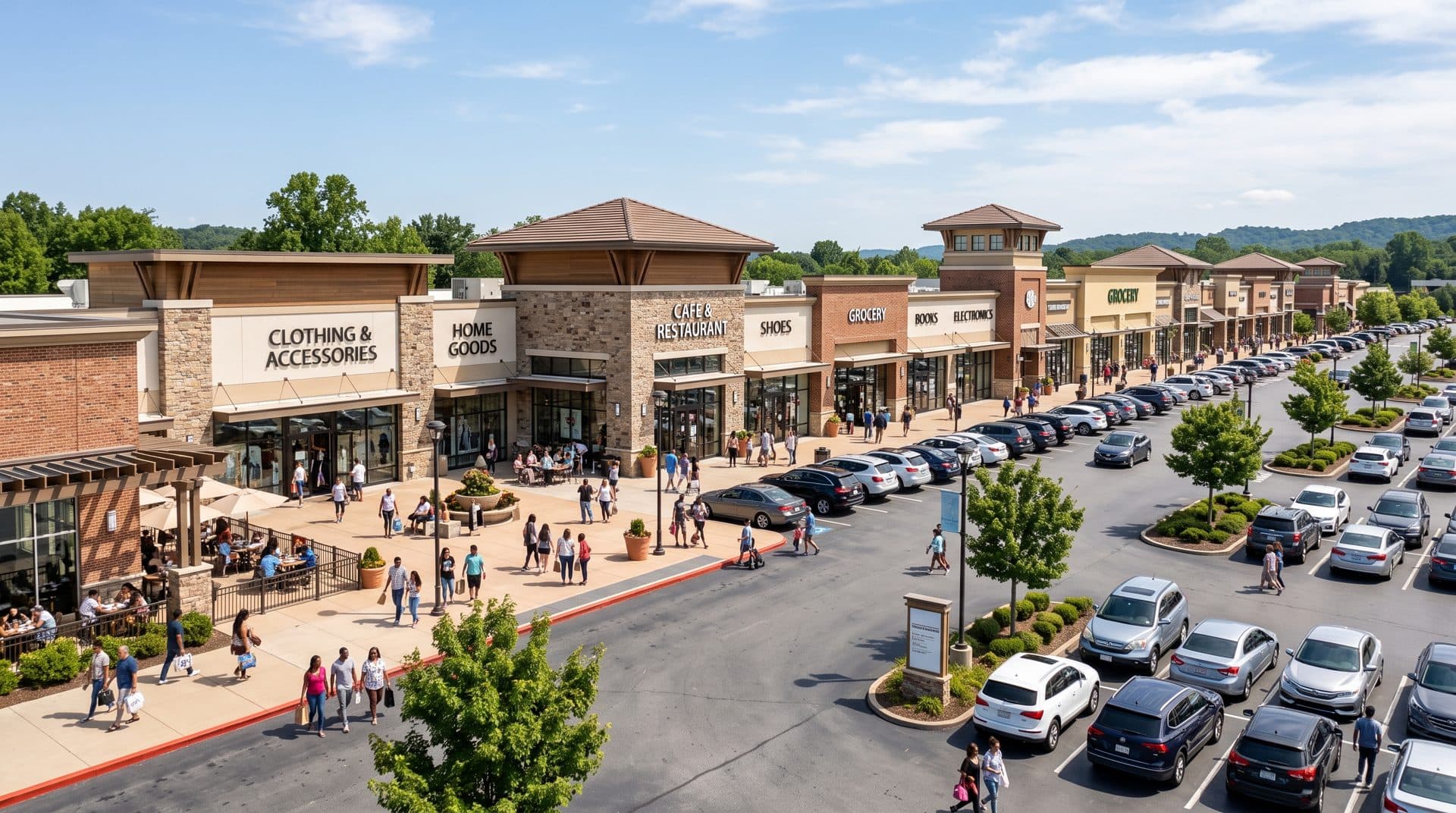
Essential retail properties leased to creditworthy national tenants with strong operational track records.
Median asking cap rate6.60%↑ +5 bps
Essential retail properties leased to creditworthy national tenants with strong operational track records.
Data as of Q2 2026. Median asking cap rate for single-tenant net lease listings, The Boulder Group, Q2 2026. Asking, not closed.
The retail NNN sector remains a cornerstone of institutional real estate investing, characterized by properties leased to creditworthy national retailers with proven business models.
Major chains like Dollar General, Walgreens, CVS, and 7-Eleven dominate the landscape with extensive store networks and long-term operational stability. These convenience-oriented retailers generate consistent cash flows from essential consumer spending categories that remain resilient across economic cycles. The sector has benefited from e-commerce integration strategies by major retailers, where physical locations serve as fulfillment and pickup points, enhancing tenant viability. Modern retail NNN leases typically span 10-20 years with built-in rent escalations, providing investors with inflation protection and predictable income streams. Cap rates in this segment currently reflect the stability and creditworthiness of major tenants, with rates ranging depending on location, property condition, and lease length.
S&P ratings via Hanley Investment Group, Q3 2026.
The retail NNN market is experiencing a measured but optimistic outlook through 2026 and beyond. Consumer spending on essentials continues to drive performance, particularly in convenience categories served by Dollar General and similar discount retailers. The integration of omnichannel retail models has strengthened tenant fundamentals, as brick-and-mortar locations increasingly serve as critical distribution points for online orders. Capital flows remain strong into this sector due to its defensive characteristics and income stability. Rent growth is expected to continue, with selective geographic markets seeing stronger appreciation. Competition from e-commerce persists but is evolving from a threat into an opportunity for properties positioned as fulfillment and click-and-collect hubs. Investors should monitor tenant operational metrics closely and focus on leases with strong escalation clauses and long remaining terms.
Data and analysis on this page are for informational purposes only and do not constitute investment, financial, or tax advice. Statistics may be estimated from publicly available sources and should be verified with primary data providers before use in investment decisions. Tenant information is sourced from public filings and may not reflect current conditions. Past performance does not guarantee future results.